Twelve Rules from the Top 100: Founder Lessons for Durable UK Growth
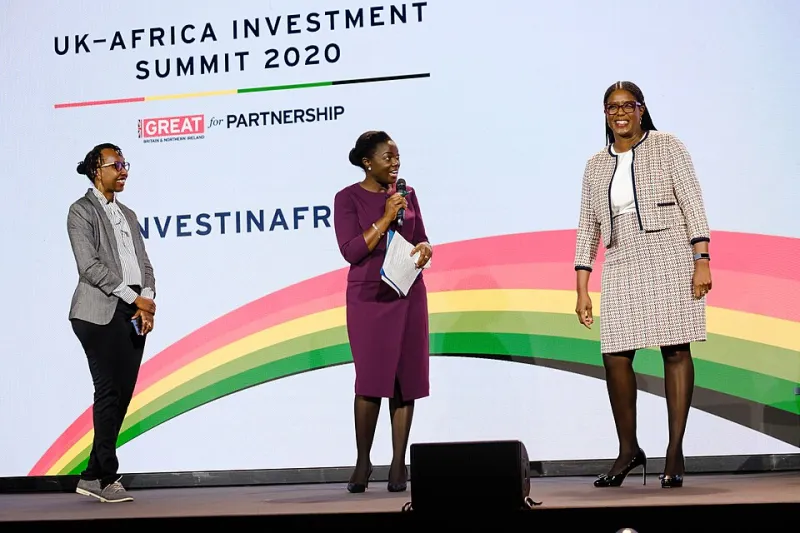
Photo: DFID - UK Department for International Development Graham Carlow, CC BY 2.0, via Wikimedia Commons
The founders and chief executives behind the 2026 Top 100 UK Business league table rarely describe success as a straight line. In interviews for this playbook, they talk about near-misses, costly hires, failed export attempts and the discipline of saying no. What follows are twelve lessons distilled from those conversations. They are not a formula. They are practical rules that recur across sectors and regions.
1. Protect the culture before you scale
Growth exposes weak culture faster than any downturn. One founder of a North West specialist manufacturer said the company paused hiring for a quarter because new managers were bypassing the informal problem-solving that had made the business successful. The lesson: codify what matters before headcount doubles. Values written on a wall are useless unless they shape promotions, meetings and customer escalations.
2. Build a cash engine, not just a revenue story
Several ranked leaders said their closest call was not a loss of demand but a working-capital squeeze. A fast-growing Scottish services firm introduced weekly cash forecasting and customer payment terms discipline after a large contract nearly drained its reserves. Revenue wins headlines. Cash discipline keeps the lights on.
3. Export with a beachhead, not a scattergun
Expanding beyond Europe appeals to many UK founders, but the strongest stories start with one market, one partner and one clear customer segment. A Midlands engineering founder described abandoning a multi-country launch in favour of a single US state, where a local distributor and two anchor clients could be supported properly. Focus beat breadth.
4. Hire for the next stage, not the last
Founders often hire people who are comfortable with the current business. The better approach is to hire for the problems the company will face in eighteen months. One chief executive in the South East said her best appointment was a finance director who had already managed a larger, more complex business. The role was uncomfortable at first. It was also necessary.
5. Make governance a competitive advantage
Family-owned and founder-led firms sometimes treat governance as bureaucracy. The best-ranked businesses treat it as a source of speed and credibility. Independent non-executives, clear board papers and formal risk registers help secure bank facilities, manage succession and challenge weak assumptions. Good governance does not slow a business down. It stops expensive mistakes.
6. Price for value, not for volume
Several leaders described the temptation to buy market share through discounts. A Yorkshire food producer reversed a loss-making contract with a major retailer after discovering that the volume was flattering revenue but destroying margin. The lesson is blunt: not all growth is good growth. Price discipline protects the investment needed to serve customers well.
7. Keep customer concentration visible
A founder of a logistics business in the East Midlands said one client represented nearly a third of revenue before the board imposed a concentration ceiling. The company then diversified into adjacent sectors. Customer concentration is not always avoidable, but it should be measured, discussed and actively managed.
8. Treat succession as a project, not an event
Founders who have navigated succession successfully start early. They define the skills needed for the next phase, test potential leaders in stretch roles and separate family ownership from management where necessary. One next-generation director said the family introduced an external chair five years before any handover. The delay was deliberate. It allowed trust and capability to be tested.
9. Use regional roots as a talent advantage
Firms outside London often assume they are disadvantaged in recruitment. The strongest turn local roots into an asset. They build long-term links with universities, colleges and apprenticeship providers, and they offer career paths that compete with city roles. A North East founder said his company's retention improved after it published clear progression routes for technical staff.
10. Measure what matters to customers
Internal dashboards can become self-referential. Ranked leaders repeatedly stressed the value of measuring customer outcomes, not just operational activity. A professional services chief executive cut several internal reports and replaced them with three customer-facing metrics: response time, resolution quality and repeat business. The board gained clarity, and clients noticed.
11. Build resilience into the supply chain
The past few years have taught UK founders that lean supply chains can be fragile. Several ranked businesses now dual-source critical components, hold slightly higher strategic stock and maintain closer relationships with suppliers. A West Midlands manufacturer described bringing one previously outsourced process back in-house after a single supplier failure halted production. Resilience has a cost, but so does disruption.
12. Stay curious and close to the front line
As companies grow, founders risk becoming insulated. The most effective leaders in the 2026 table still spend time with customers, visit sites and ask frontline staff what is breaking. One chief executive schedules a monthly 'unscripted' day with no board papers and no formal agenda. The purpose is simple: hear the problems before they reach the boardroom.
The common thread across these twelve lessons is discipline. The founders in the 2026 Top 100 are not all pursuing the same strategy. But they tend to share a willingness to confront uncomfortable facts early, invest in the boring foundations and keep ownership of the details that matter. In a slower-growth UK economy, that is a playbook worth studying.